Pedagogical Experiments
June 11–15, 2025
Mansarda Gallery, Faculty of Arts and Design – UVT
Pedagogical Experiments is an exhibition that traces the visible and invisible thread of an experimental educational legacy, crystallized by the Sigma Group in Timișoara during the 1970s–1980s at the Fine Arts High School, and organically continued through generations of artist-teachers and students of today’s Faculty of Arts and Design in Timișoara.
The Sigma Group developed a pedagogical model inspired by the Bauhaus School, promoting several key principles in both their artistic practice and their teaching: collaboration (teamwork), interdisciplinarity, experimentation, the study of nature, functionality, and the use of new materials and technologies.
The exhibition proposes a mapping of these direct and indirect educational paths, now reflected in the works of students who, although coming from different generations and study programs, reveal a shared concern for experimentation, visual research, process, and constructive development.
Works coordinated by: Daniela Catona, Liliana Popa, Silvia Trion, Luisa Palade, Hedy M-Kiss, Mădălin Mărienuț, Vică Adorian, Eniko Szucz, Andreea Palade Flondor
Concept: Andreea Palade Flondor, Gabriela Robeci
Graphic Design: Claudia Feti
Project carried out through the Center for Research in Decorative Arts and Design (CCCADD) and the Center for Research in Curatorship, Art History and Criticism, Heritage Studies (CICASP)
Exhibited works
Eurotales
Concept program (Blended Intensive Programme): Assoc. Prof. Dr. Andreea Palade Flondor
The initiation of an interdisciplinary collaborative project began with the invitation to participate in the Eurofabrique Cluj project, later continued in Paris, and pursued several key ideas: identity, sustainability, process-based thinking, an investigative approach, breaking barriers and preconceptions, and embracing one’s own culture.
A wide range of forms and modes of expression—from exploration through photographic and digital media to weaving or sewing techniques, as well as architectural constructions—enabled the progressive, in situ development of an immersive installation with multiple levels of perception.
Over 40 participants from 5 faculties in Romania, France, Italy, and Portugal.
Eurotales 1
December 5–10, 2023
Eurofabrique 2, Collaborative Creativity Workshop
@Mushuroi Creative Hub, Cluj-Napoca
Coordinators: Andreea Palade Flondor, Andreea Pleșa, Mirjam Spoolder, Laura Tettamanzi, Rafaela Norogrando, Olivier David
FAD-UVT Participants: Andreea Pleșa, Mihaela Vișovan, Evelina Tănasie, Bogdan Matei, Mario Birdean, Erin Gregor, Ema Năstase, Andrada Negru, Georgiana Panescu, Raul Pașcalău
Video: Georgiana Panescu, 2nd-year Master’s student, Fashion Design – Textile Design
Eurotales 2
February 7–11, 2024
Eurofabrique at EU-TOPIA
La Gaîté Lyrique, Paris
Coordinators: Andreea Palade Flondor, Andreea Pleșa, Mirjam Spoolder, Laura Tettamanzi, Rafaela Norogrando, Caroline Loss
FAD-UVT Participants: Mihaela Vișovan, Evelina Tănasie, Bogdan Matei, Mario Birdean, Erin Gregor, Ema Năstase, Andrada Negru, Georgiana Panescu, Raul Pașcalău
Video: Georgiana Panescu, 2nd-year Master’s student, Fashion Design – Textile Design
Experiment Conservare restaurare
Year 1, M.A. in Heritage Restauration, Conservation and Art Critique in Visual Art
Coordinators: Associate Professor PhD Silvia Trion, Assistant Professor PhD Luisa Palade
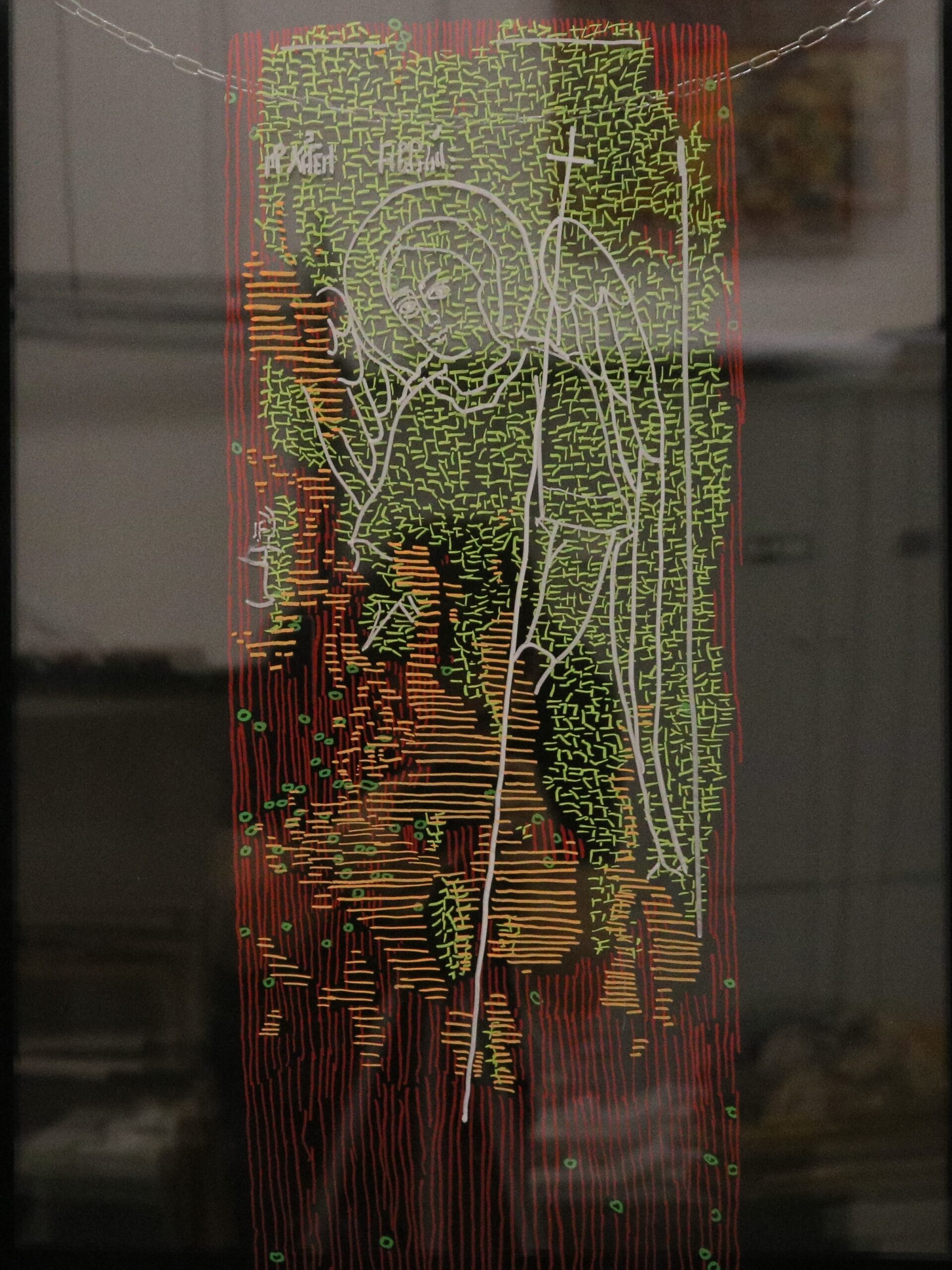
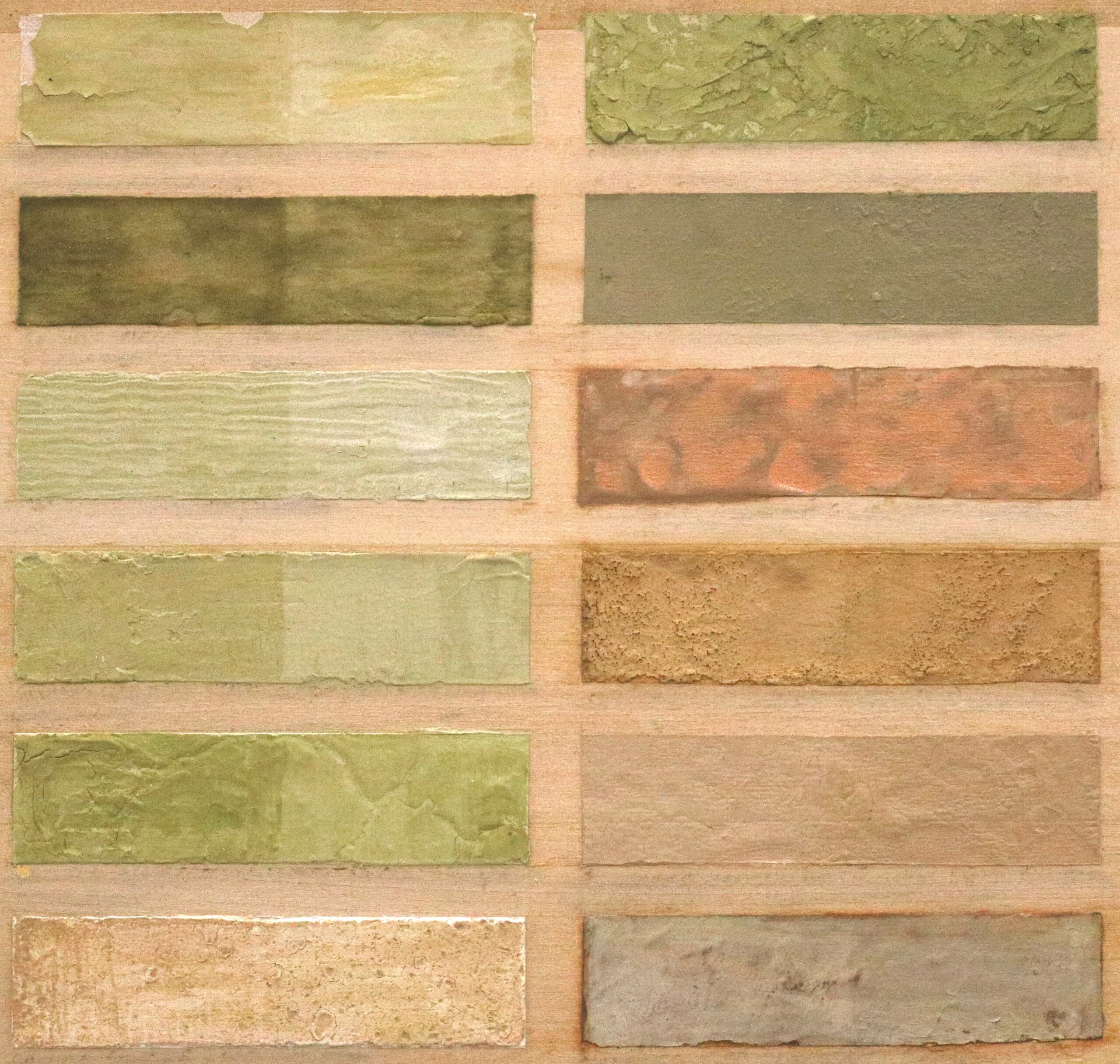
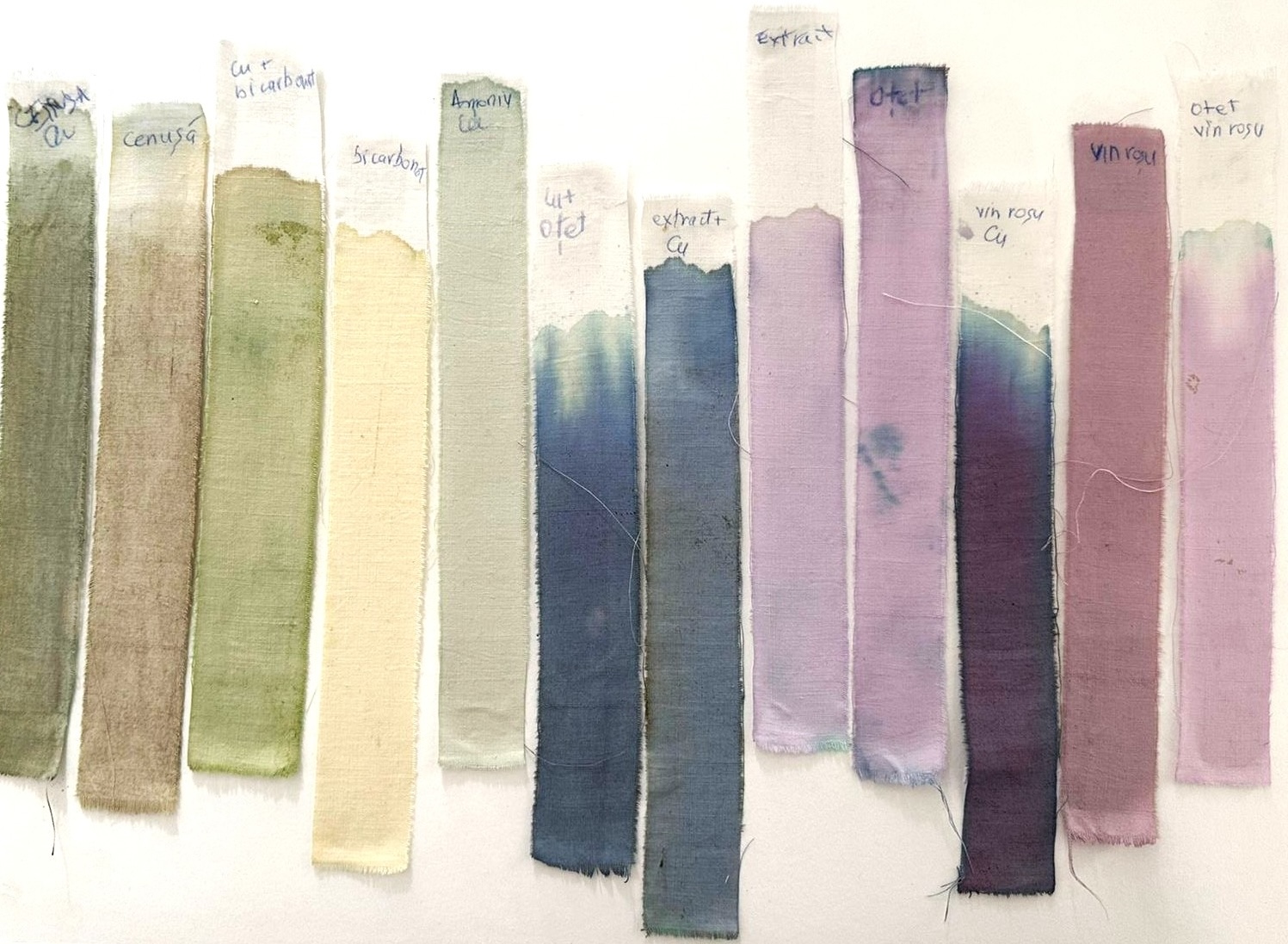
Organic Pigments
Year 1, B.A. in Conservation-Restauration
Coordinators: Assoc. Lecturer M.-Kiss Hedy, Associate Professor PhD Silvia Trion, Assistant Professor PhD Luisa Palade
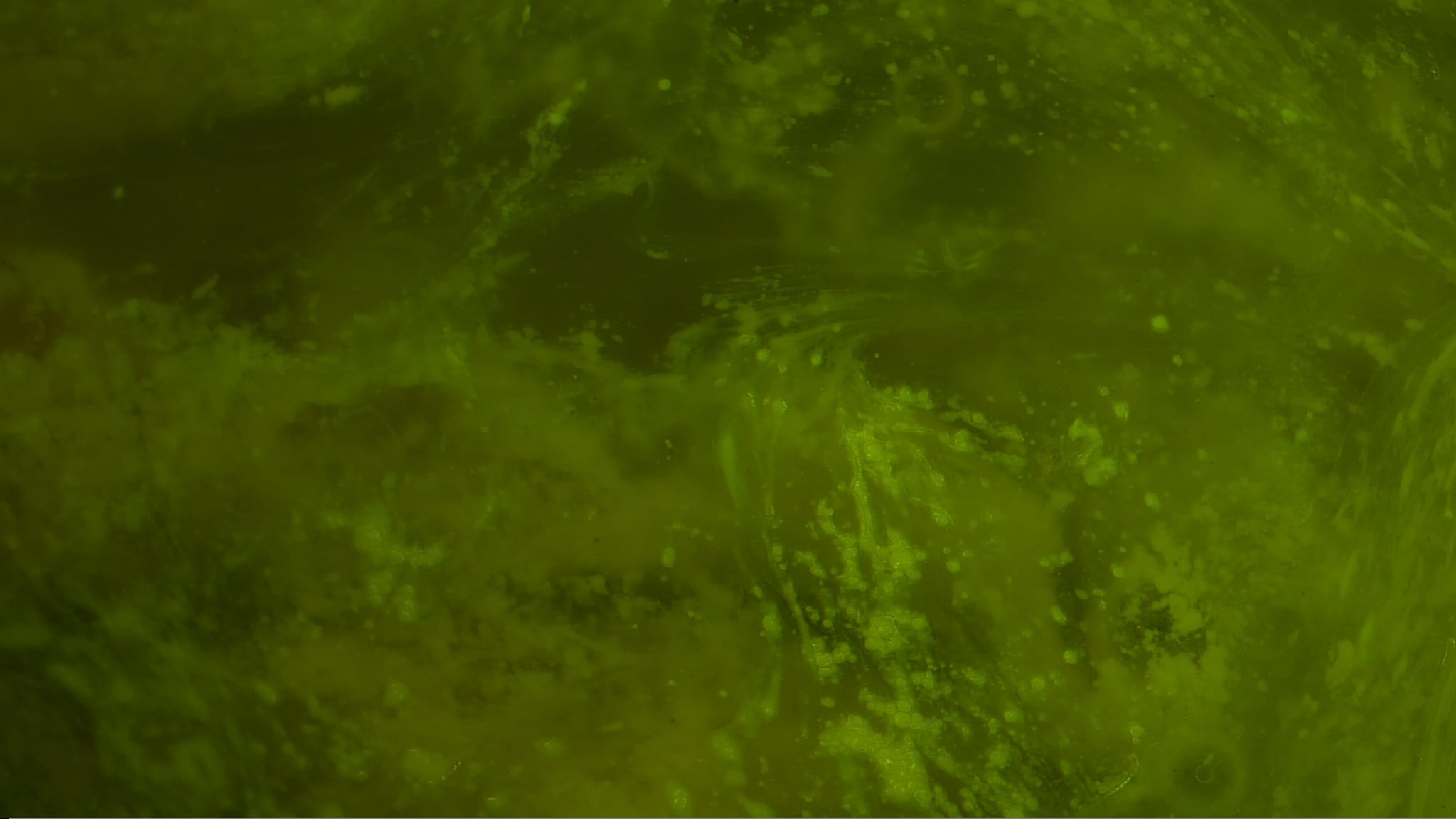
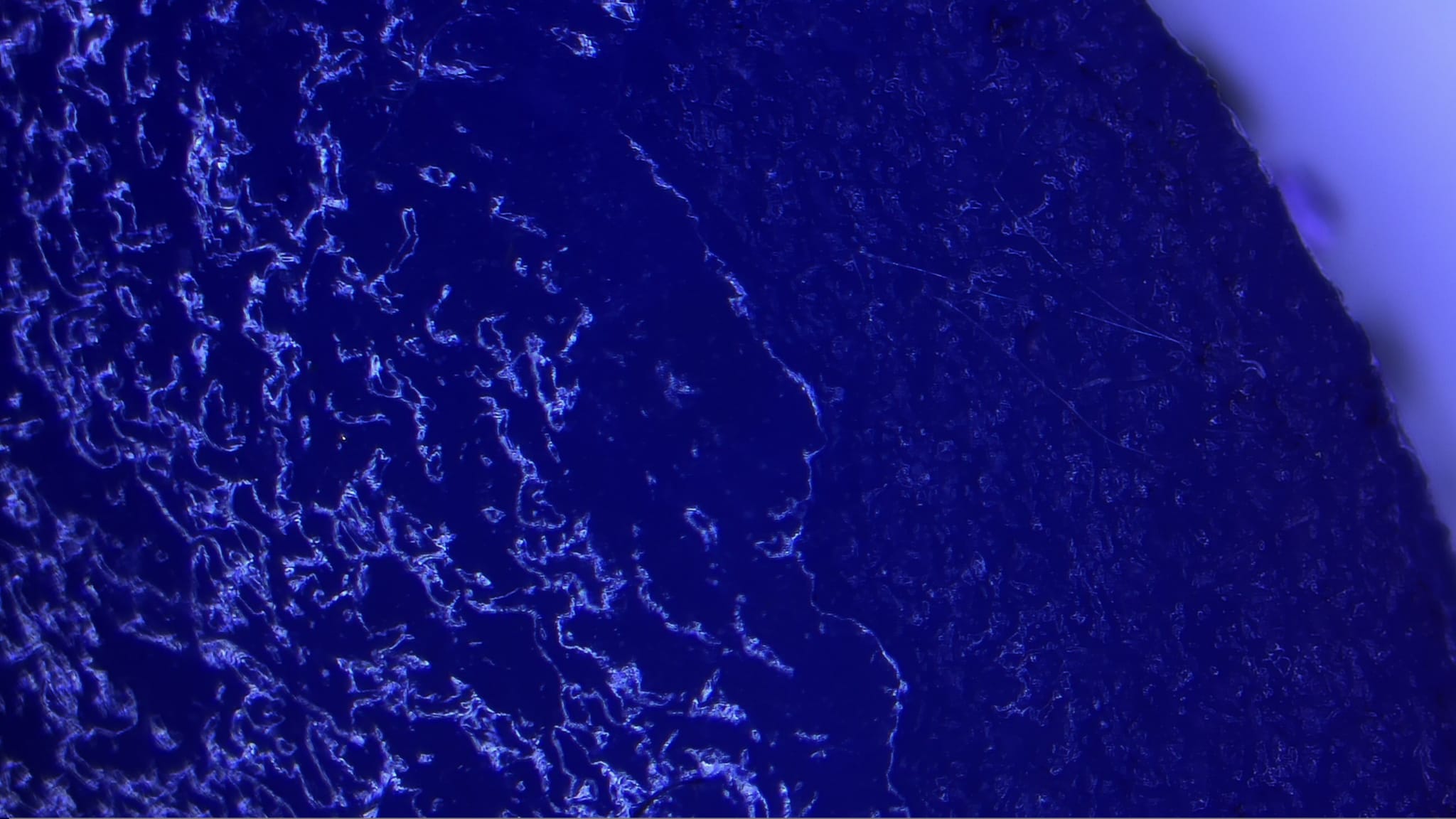
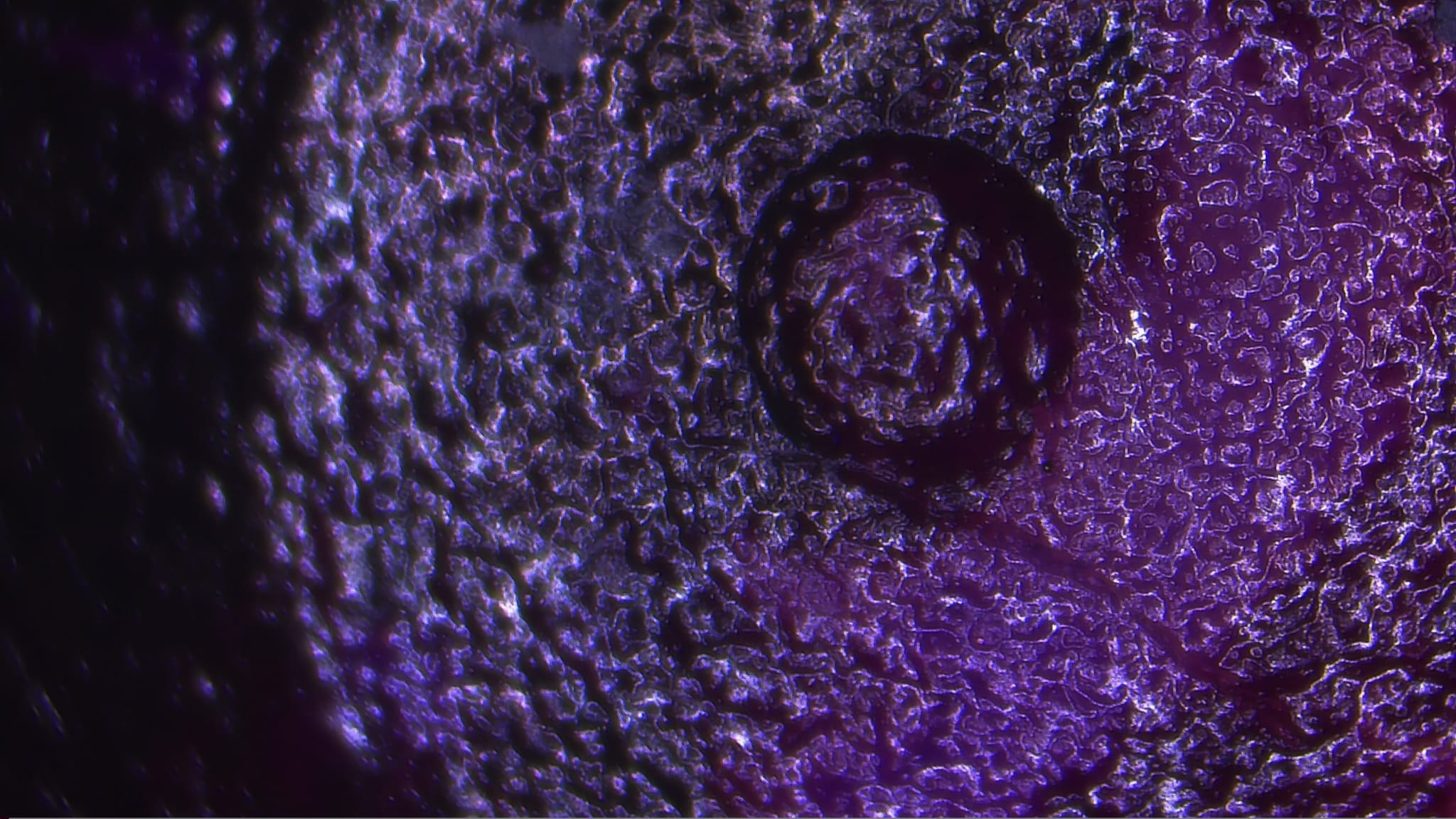
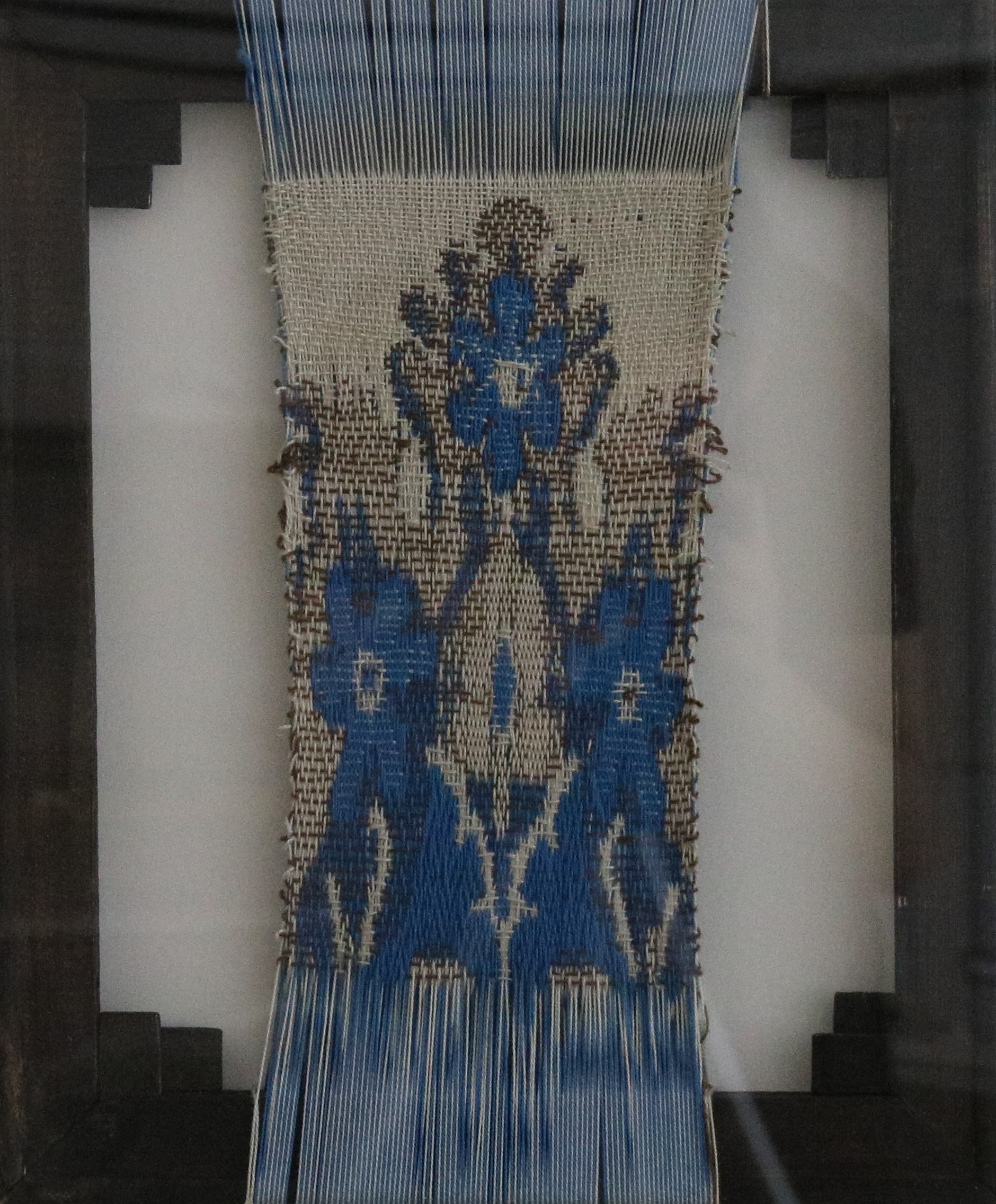
Iustina Bănceanu, Suspension of Colored Matter
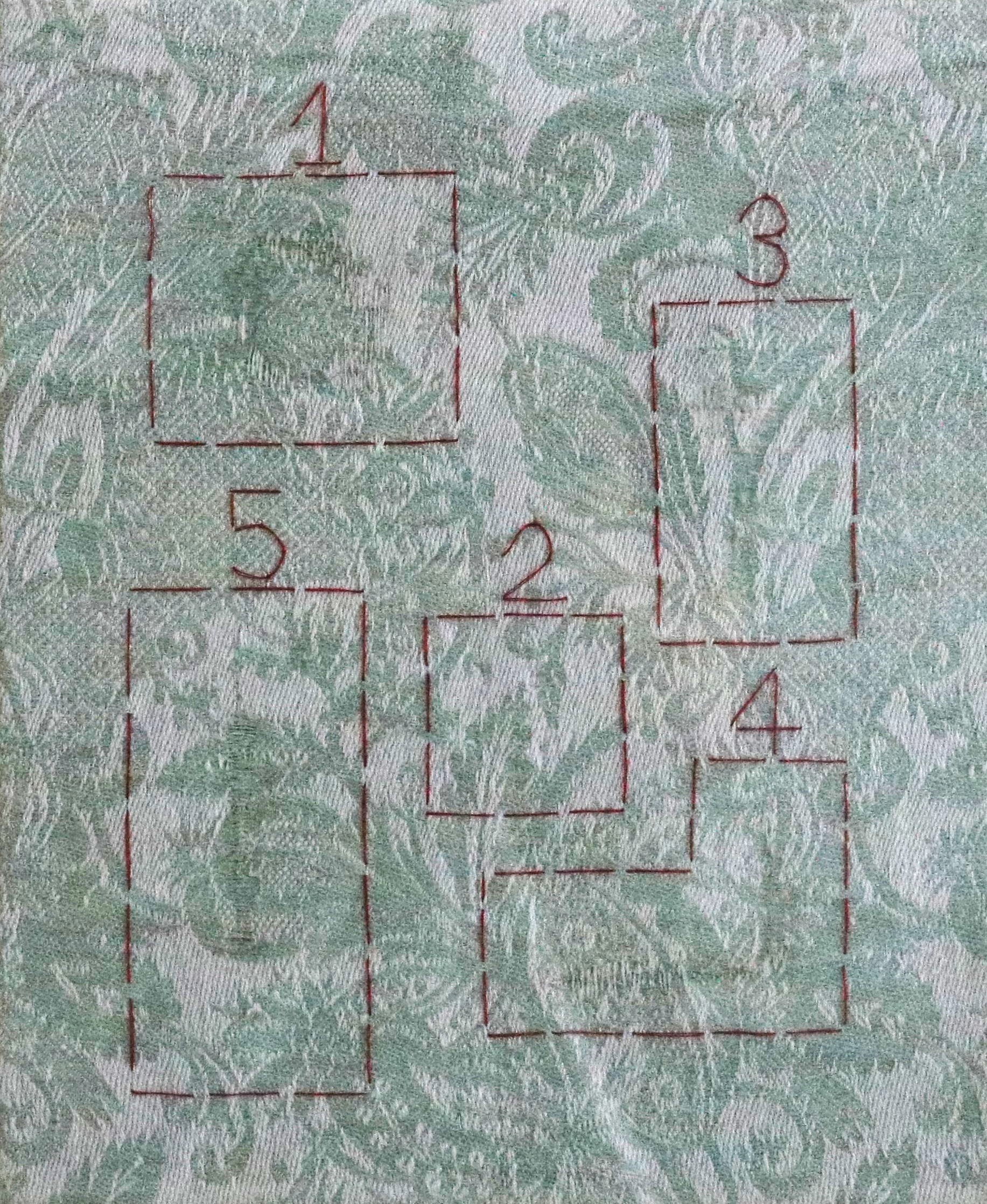
Matei Bujancă, Pigment–binder interaction
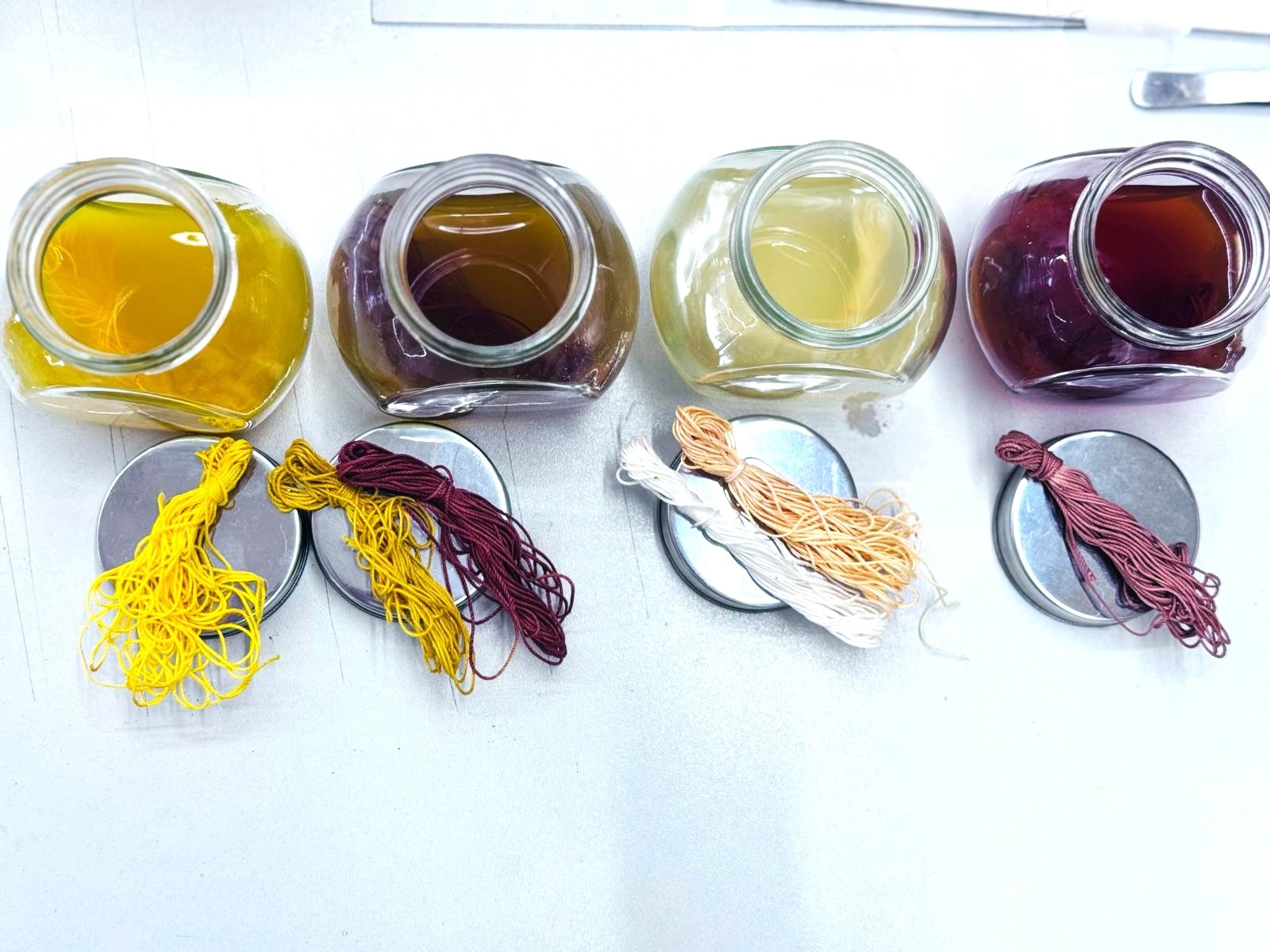
Corina-Mara Petrehele & Daria Miron, Organic Pigments
Experiment in Photography
Coordinator: Lecturer PhD Mădălin Mărienuț, Assistant Professor PhD Amalia Gaiță
3rd Year, B.A., Photography – Computerized Image Video Processinh
The course develops critical visual thinking, encouraging the image to be approached as a creative process. Students experiment with both analog and digital techniques, from film manipulation to glitch art and AI, emphasizing innovation, artistic intervention, and documentation as an integral part of photographic practice.
Bianca Pascu
Rooted
“In my bachelor’s project, I aim to bring to the forefront my complex relationship with spirituality, as well as the journey I have gone through. It is a deeply personal theme, as it is based on my experiences regarding the fear of death and the afterlife. People are often afraid of what they do not understand or cannot control.
As Carl Jung said, ‘Your vision will become clear only when you can look into your own heart. Who looks outside dreams; who looks inside awakens.”
Ioana Claudia Oniciu
Revelatio
“This work is based on a personal, perhaps even universal, desire to access a truth. The feeling of being lost has followed me for some time, which is why I often question whether what I am doing right now is right for me and what path I want to choose. In a more general sense, revelation could refer to any form of self-discovery; one example would be the connection with nature.”
Ruben Bereczki
Divergence
“Through these works, I aim to initiate an analysis of visual perception, challenged by visually rendered deconstructed forms. I have always been fascinated by describing both the surrounding environment and the urban landscape in an unusual way through images. Ordinary subjects, seen differently, make us appreciate mundane things we would not normally notice, and this is where true magic in visual expression happens.”
Layers of Reality. Harnessing Scientific Knowledge in Art
3rd Year, Bachelor’s Degree, Painting
Coordinator: Associate Professor PhD Liliana Mercioiu-Popa
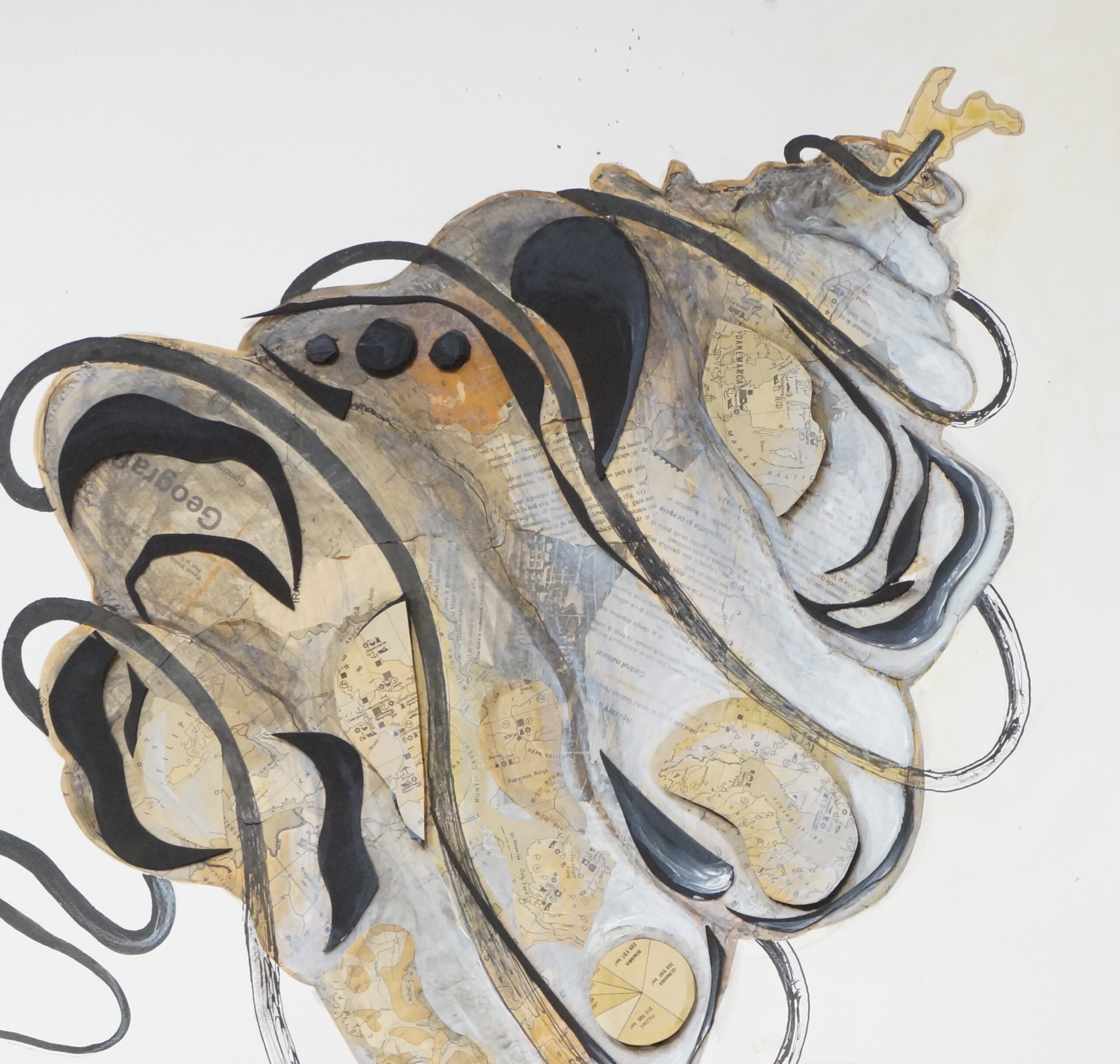
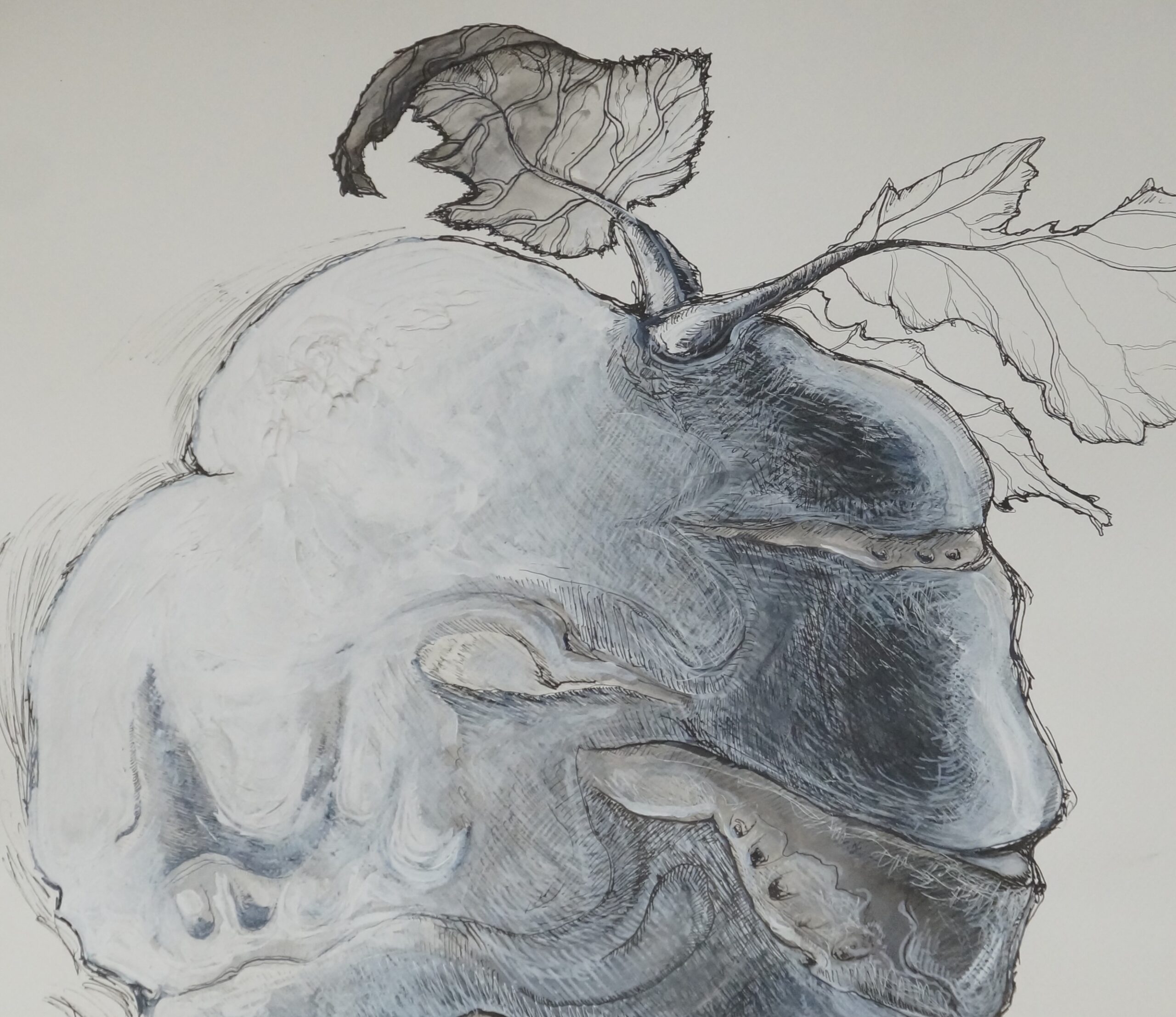
This theme was developed for the Experimental Drawing course. Starting from the contributions of prominent figures from various fields of knowledge who also showed a particular interest in visual expression, such as Nehemiah Grew, Alexander von Humboldt, Santiago Ramón y Cajal, John von Neumann, as well as from studies and research by artists driven by scientific curiosity, including Leonardo da Vinci, Albrecht Dürer, Rembrandt van Rijn, Hilma af Klint, Paul Klee, Joseph Beuys, the Sigma Group, and younger artists such as Jorinde Voigt, Philippe Parreno, Anne Wils(e)n, among others, the project, together with the use of personal knowledge or curiosity for a specific field, aims to explore new perspectives on nature and the physical world, beyond the immediate appearance of perceptible reality.
As a mode of expression, a prospective form of drawing is employed, one that embraces experimental qualities while also borrowing elements from the language specific to scientific research. Through this approach, an additional intentional layer is created, encouraging greater awareness of the stratification of reality, accessible through various systems of scientific knowledge that contribute to a deeper understanding of existence.
The sketchbooks and larger-scale works capitalize on the student’s personal experience with yoga and physiotherapy, reflecting on the profound connections between the human body and nature—a connection that can also be found in the drawings of Ștefan Bertalan, particularly in his plant-self-portraits or relief-like self-portraits.
Layers of Reality. Harnessing Scientific Knowledge in Art
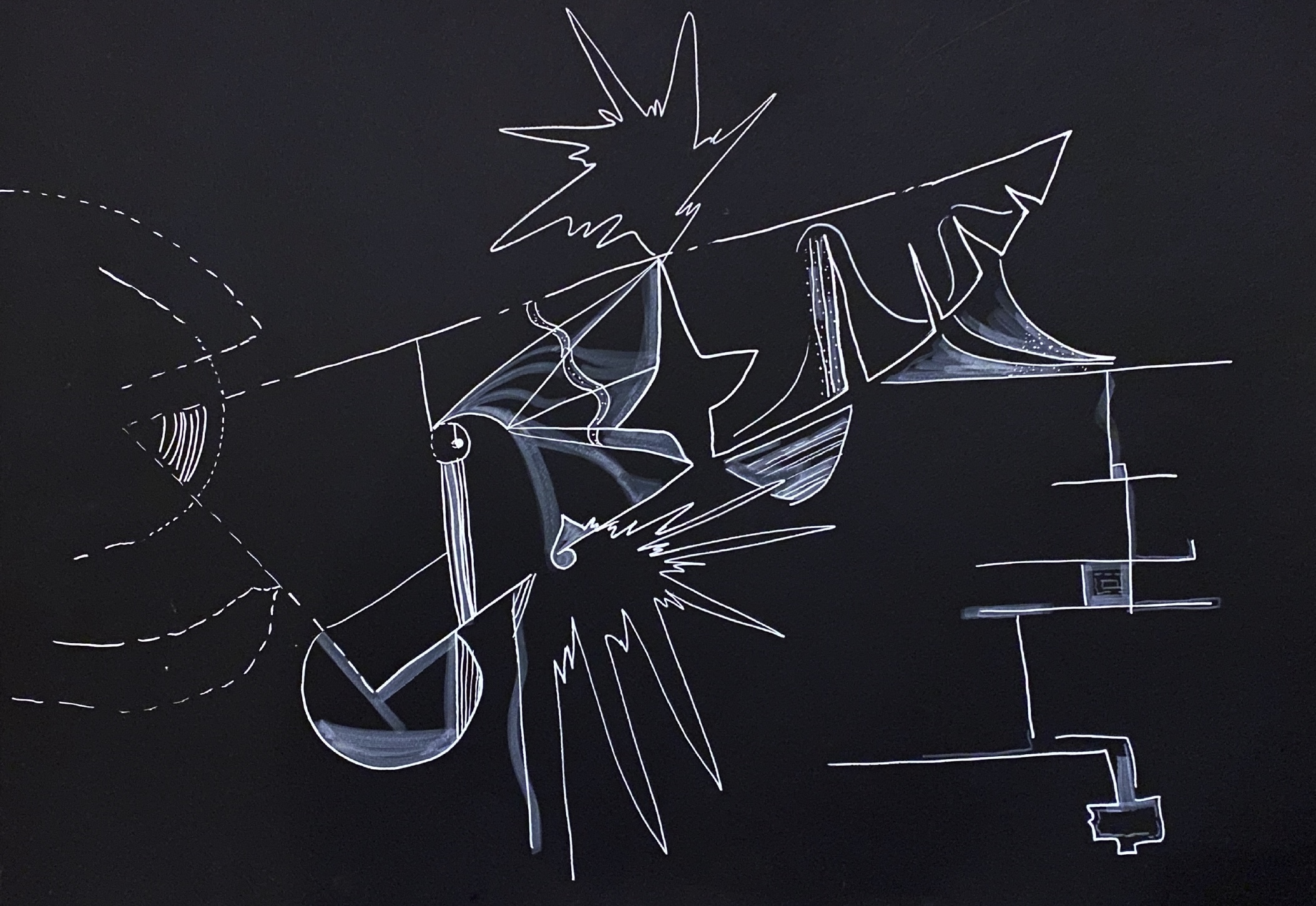
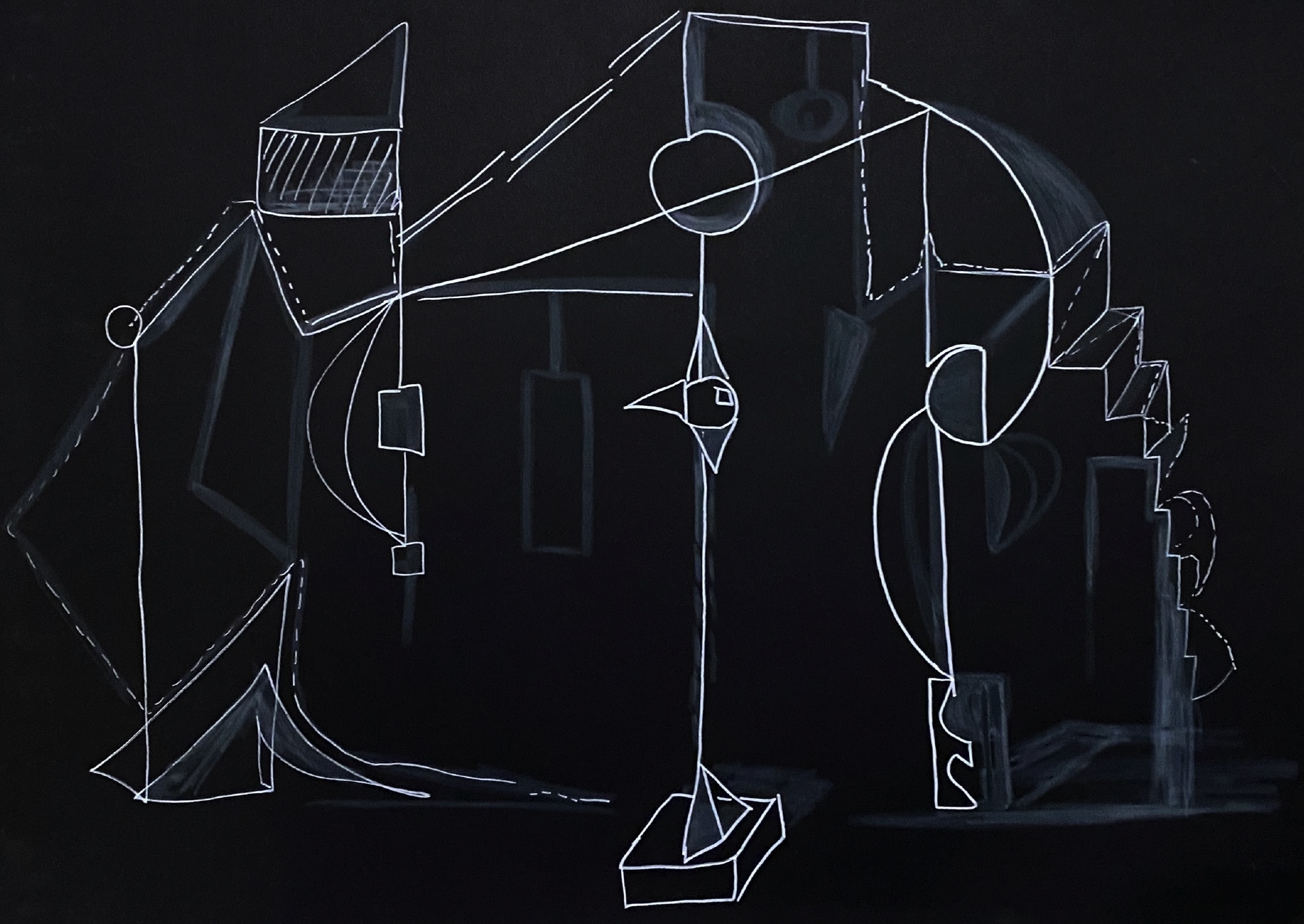
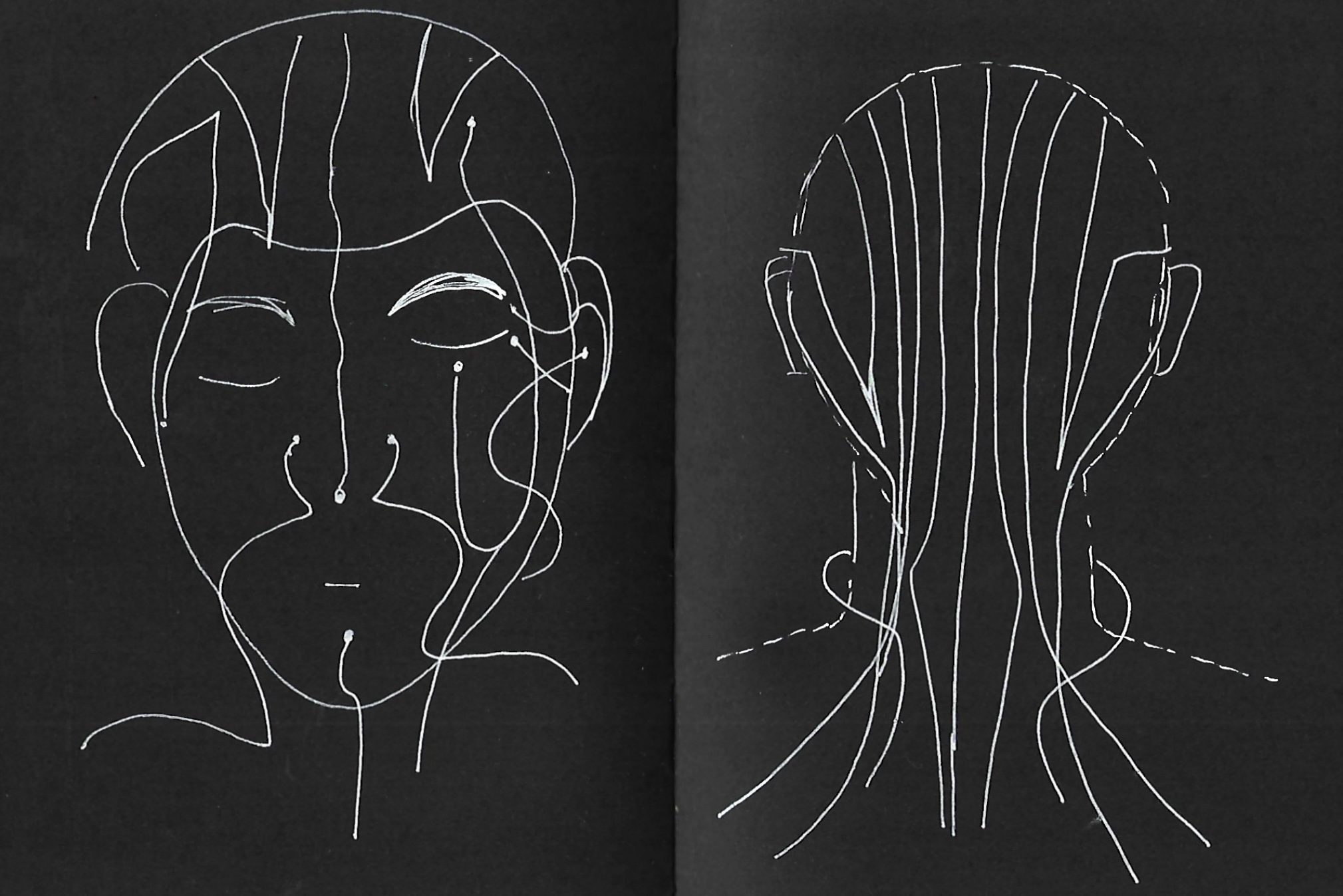
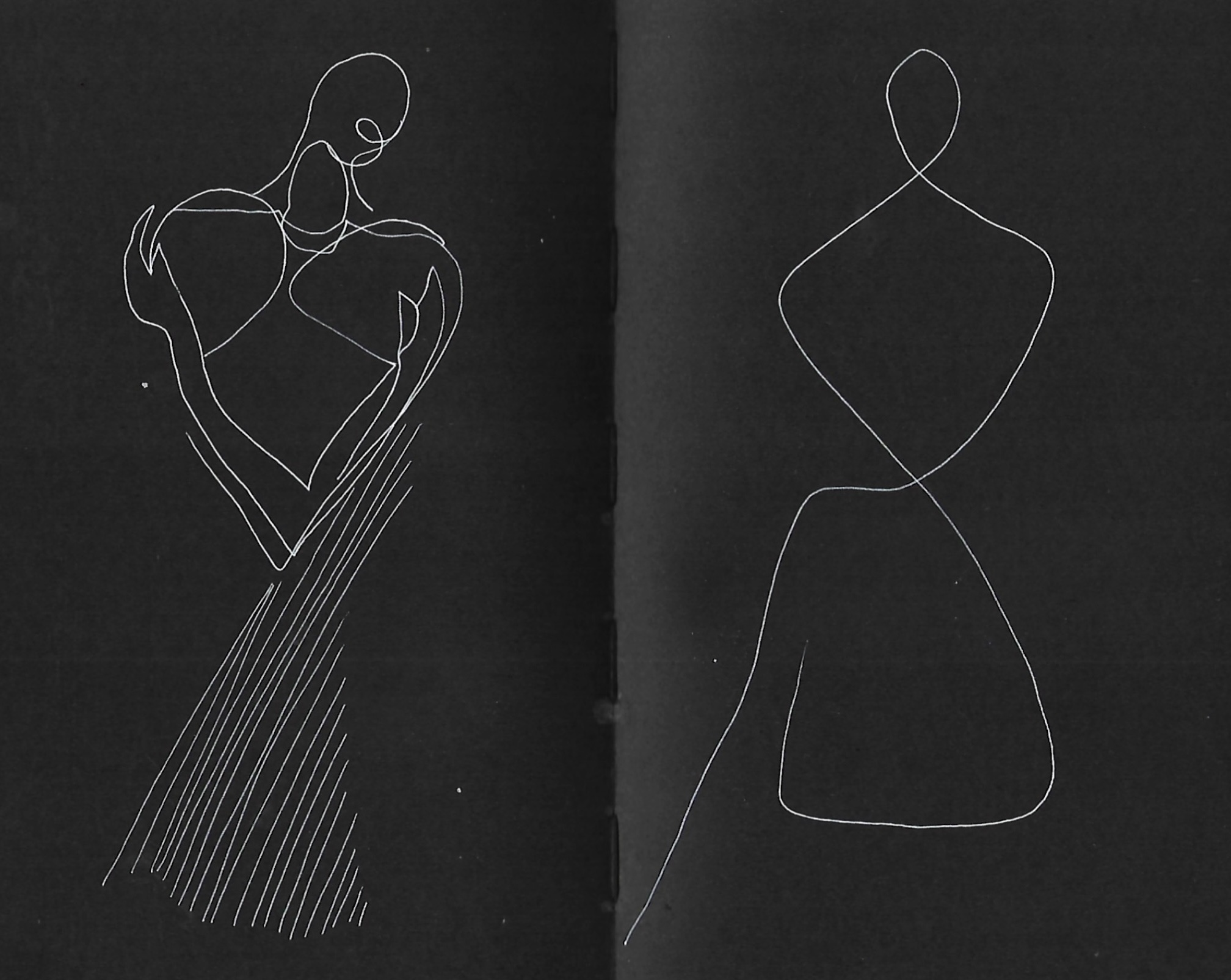
Sorina Marandiuc, Studies and Sketch Notebook
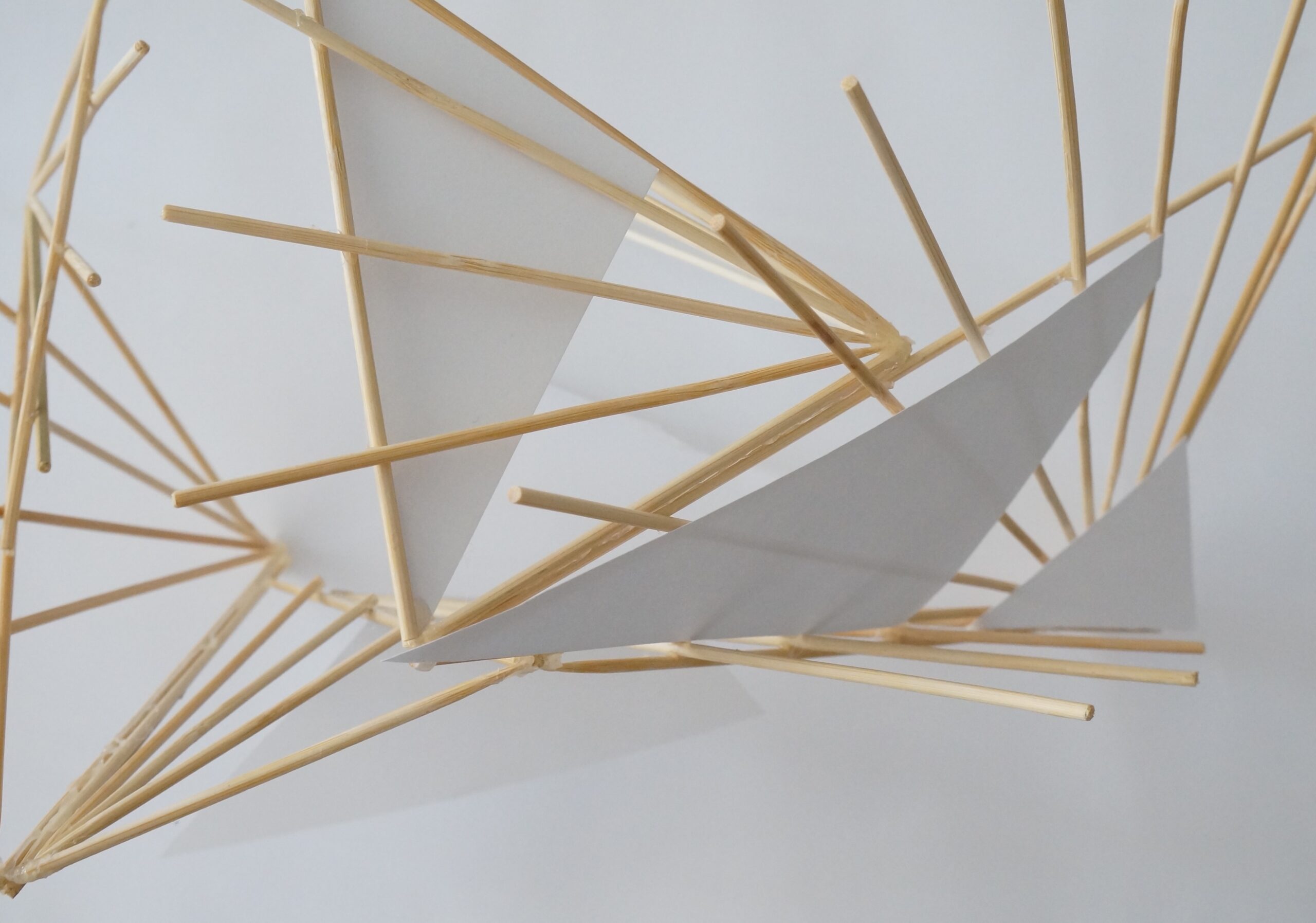
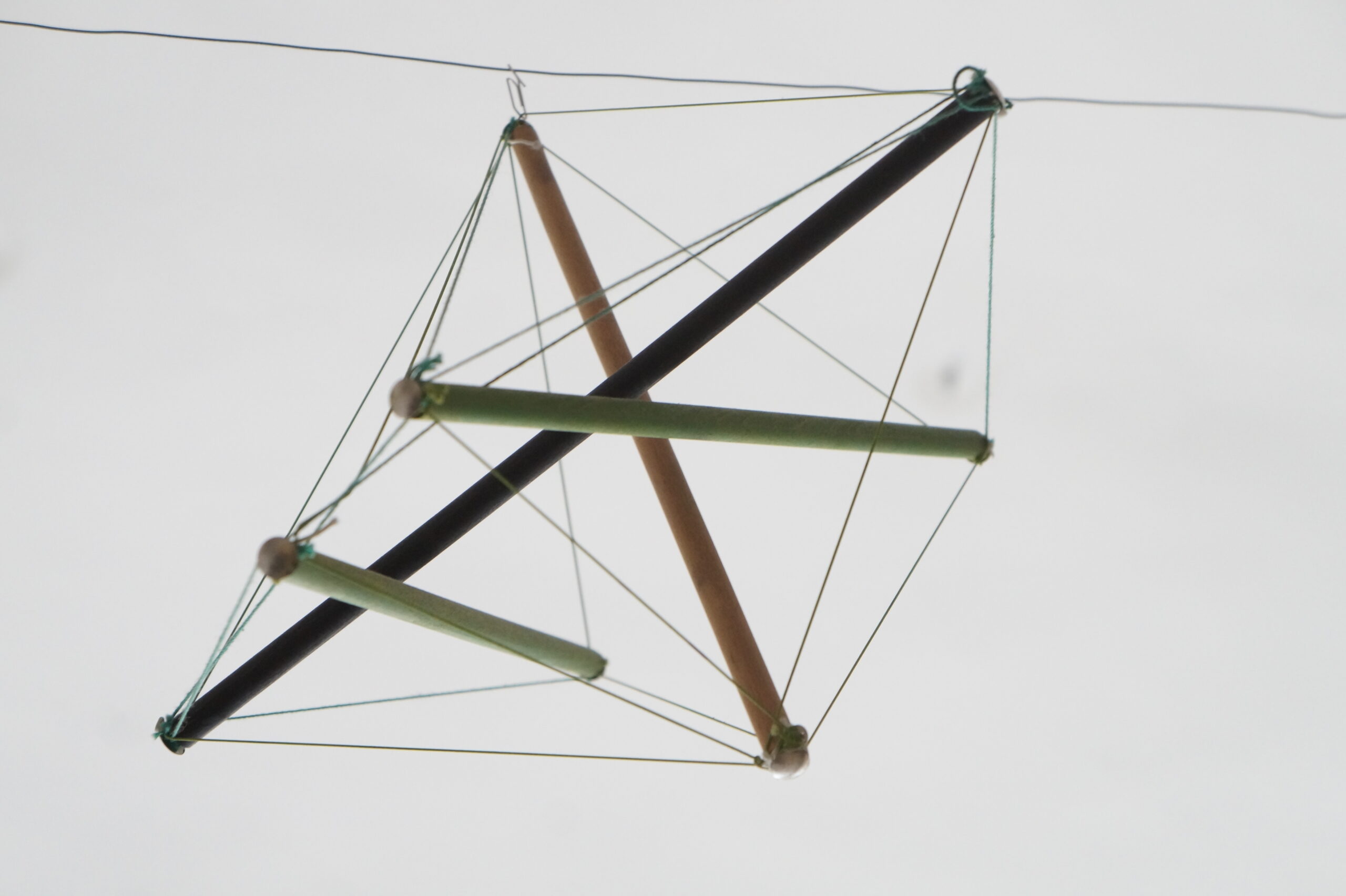
Tensegrity Structures and Lightweight Geometric Structures (Models)
Wavy Surfaces (Photographed and Printed Works)
2nd Year, Bachelor’s Degree, Design
Coordinator: Lecturer PhD Enikő Szűcs
Design inherently involves an interdisciplinary approach, situated at the intersection of art, engineering, and mathematics. This vision is also reflected in the pedagogical practice of the Sigma Group, of which Professor Doru Tulcan—our former colleague—was a member. Direct interaction with his teaching methods and the themes he explored has significantly influenced our own educational activity, and some of the developed concepts can still be found today in students’ works, especially within the course Bi- and Three-Dimensional Composition.
The exhibition brings together works resulting from two main themes: “Tensegrity Structures and Lightweight Geometric Structures – Regular or Irregular” and “Wavy Surfaces.” These aimed to deepen the understanding of three-dimensional space and to explore natural proportions through the creative use of materials such as paper, wood, and textiles. Students investigated 3D spatial structures through various techniques, from constructing ruled surfaces and transitioning from two-dimensional to three-dimensional forms, to folding and modulating paper, and repeating strips and planar elements. Within the theme of lightweight geometric structures, students were free to choose between tensioned structures and rigid geometric constructions, highlighting the diversity of possible approaches in spatial composition.
Participating students (printed works): Amalia Ardelean, Teodora Dinu, Alexia Lolis, Vasilica Nițulescu, Daria Posdărescu, Bianca Tofan
Generative Principles of Serial Planes in Furniture Design
2nd Year, Bachelor’s Degree, Design
Coordinator: Professor PhD Iosif Mihailo
The generative principle of serial planes is a design approach that engages three-dimensional generative concepts through the overlapping and systematic arrangement of multiple planes (or two-dimensional sections) along an axis. By slightly modifying the profile, dynamic forms can be achieved. The process begins with a general form—often curvilinear or organic—intended for a piece of furniture, which is then sectioned along one or more axes at regular intervals. Each section generates a two-dimensional plane corresponding to a piece of cardboard. These planes are then optimized for cutting from sheets of cardboard and subsequently assembled sequentially along the initially defined axis.
In the context of corrugated cardboard furniture, this principle proves especially effective, as cardboard is a planar, relatively rigid material that is easy to cut into complex shapes and widely accessible. Chairs made from corrugated cardboard can be designed using this principle, where the sections define the ergonomic curves of the seat and backrest. By applying the generative principle of serial planes, designers can fully exploit the unique properties of corrugated cardboard, creating innovative, sustainable furniture pieces with a modern aesthetic. This method combines creativity with efficiency, transforming a simple material into a complex, ergonomic, and functional form.
Compositional Poses
1st Year, Bachelor’s Degree, Decorative Arts
Coordinator: Associate Professor PhD Daniela Catona
Foundations of Composition
Creation of small-scale sketches through the exploration of compositional poses from photographic material previously obtained in domestic or urban environments, with a focus on line and point as formal and expressive attributes.
Study of Natural Forms
Exploration of possible graphic representation approaches for selected plant forms. The study focuses both on the selection of natural forms, paying attention to the relationship between these forms and the plastic elements that characterize them (point, line, surface), and on the relationship between the natural form and the diverse handling of materials (photography, pencil, charcoal, ink, mixed media, collage).